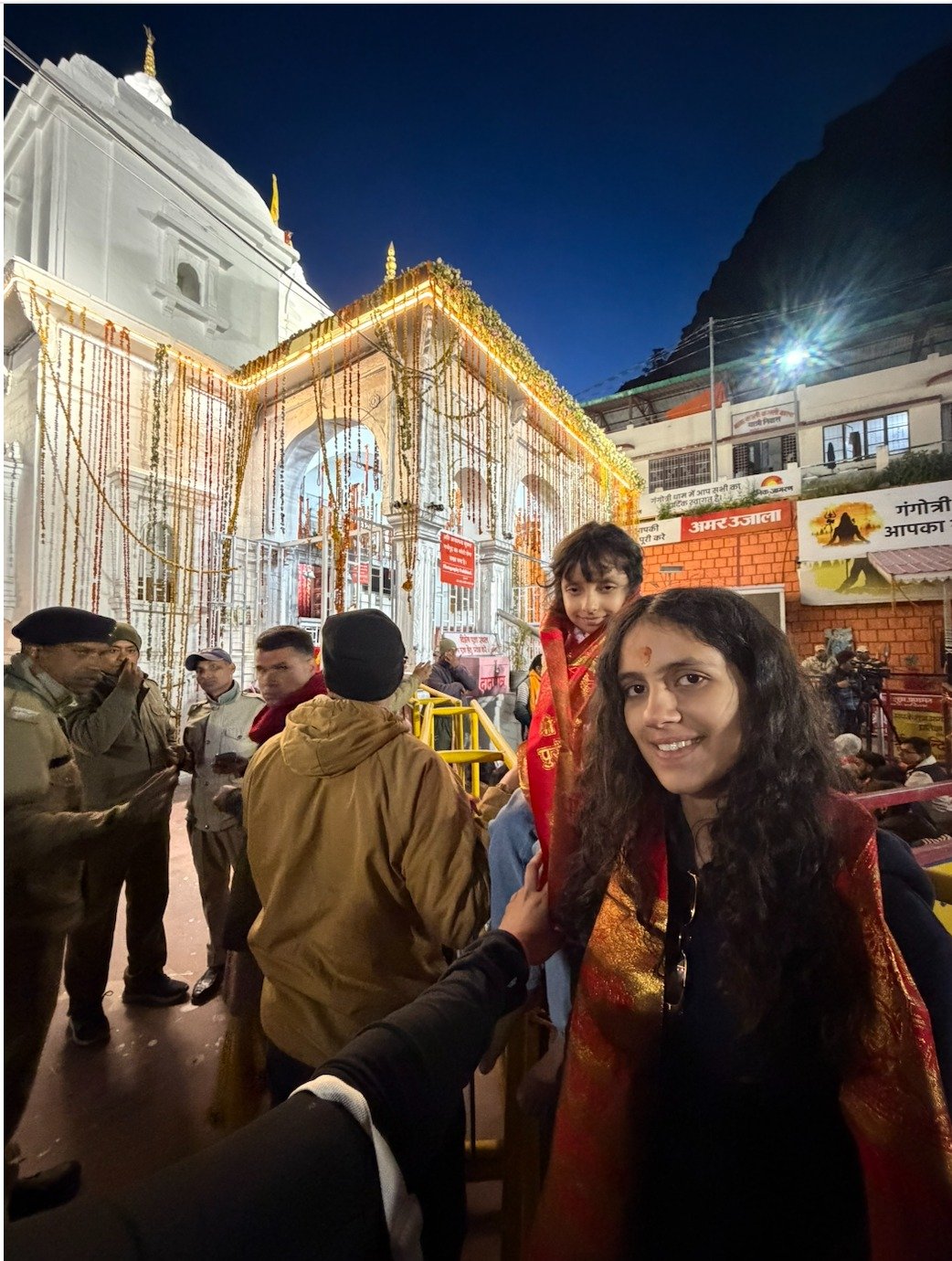
A pilgrimage is often imagined as a journey of devotion, faith and inner renewal. Yet, for many devotees, the experience does not necessarily end when they return home. The days that follow can sometimes bring unexpected tiredness, emotional shifts or physical discomfort, leaving people wondering why the body seems to react after what was meant to be a spiritually uplifting experience.
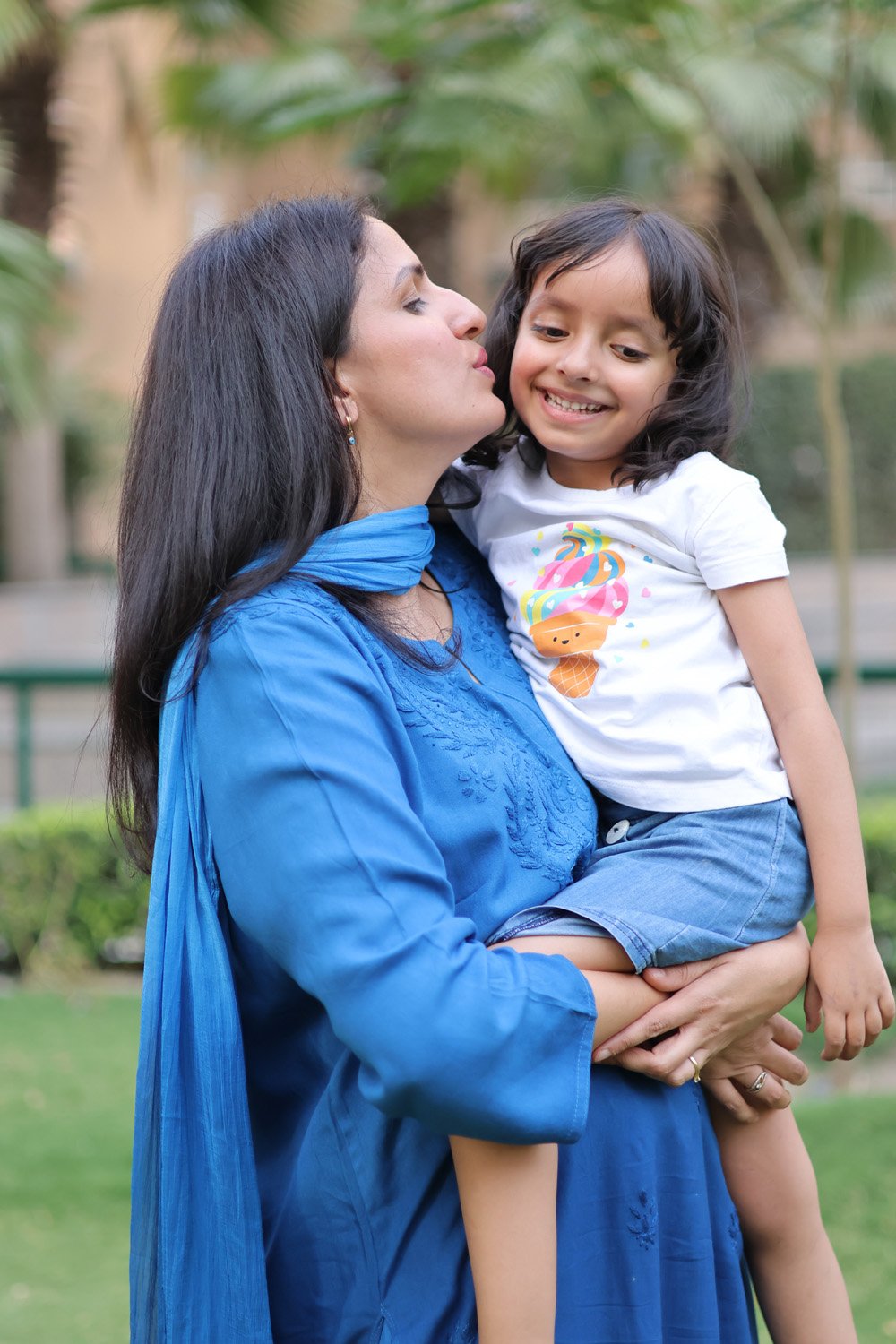
For Sonal Katyal, a mother, parenting and lifestyle creator known for her platform Rollercoaster of Motherhood, these post-pilgrimage experiences can also be viewed through a spiritual lens. Her perspective explores the idea that a pilgrimage is not only a physical journey to a sacred space, but can also become an opportunity for reflection, release and integration.
When the Journey Continues Within
According to this spiritual perspective, sacred spaces can create an environment of heightened emotional and personal awareness. A devotee may experience intense prayer, chanting, fasting, long walks, unfamiliar surroundings and moments of deep introspection. These experiences can bring suppressed emotions and long-held thoughts to the surface.
Some spiritual traditions interpret the physical sensations that follow as part of a cleansing or purification process. Rather than viewing every discomfort as negative, the experience can encourage devotees to pause and observe what their body may be communicating.
However, physical symptoms can also have straightforward explanations, including exhaustion, dehydration, changes in diet, sleep disruption or the physical demands of travel. Persistent or severe symptoms should therefore be assessed medically rather than assumed to be spiritual in origin.
The Body Needs Time to Integrate
One of the interesting aspects of returning from a pilgrimage is that the body may only begin to relax once the journey is over.
During a pilgrimage, people often remain physically and emotionally engaged for long periods. Once they return home, the change in pace can create space for the body to recover from the demands of the journey.
From a spiritual standpoint, Sonal views this period as a phase of integration. The pilgrimage may have created an inner shift, while the days afterwards offer an opportunity for the individual to absorb that experience rather than immediately moving back into everyday life.
A Deeper Sense of Release
Spiritual traditions also speak about karmic and ancestral patterns, suggesting that deeply held emotional impressions can surface during periods of intense spiritual practice. Some practitioners associate different areas of the body with themes such as safety, nourishment, emotional memory and identity.
These interpretations are symbolic and spiritual rather than established medical explanations. Yet, they can provide devotees with a framework for reflection: What emotions surfaced during the journey? What feels different now? What might need attention, rest or acceptance?
A Rite of Passage
A pilgrimage can also represent a personal threshold. Leaving behind familiar surroundings, entering a sacred environment and returning with new experiences can change the way an individual sees themselves.
For some devotees, this transition may feel uncomfortable before it feels transformative. The familiar rhythm of everyday life may take time to settle again.
This is where rest becomes important.
When Rest Becomes Part of the Sadhana
The instinct after returning from a pilgrimage may be to immediately resume responsibilities. Sonal’s perspective encourages a gentler approach: slowing down, grounding oneself and allowing the experience to settle.
Simple practices such as adequate sleep, nourishing food, hydration, quiet reflection and gentle prayer can help create that transition. Spiritual devotion does not always have to mean doing more. Sometimes, it can mean allowing oneself to pause.
Ultimately, the idea of post-pilgrimage purification offers a different way of looking at the period after a spiritual journey. Rather than rushing to interpret every sensation, devotees can approach the experience with curiosity, balance and self-awareness.
A pilgrimage may end at the temple, shrine or sacred destination, but its meaning can continue long after the journey home. And sometimes, the most meaningful part of that journey is simply giving the body, mind and spirit enough time to understand what has changed.